
Reflections from Digital Construction Week 2026: Information Management at the Heart of Industry Change
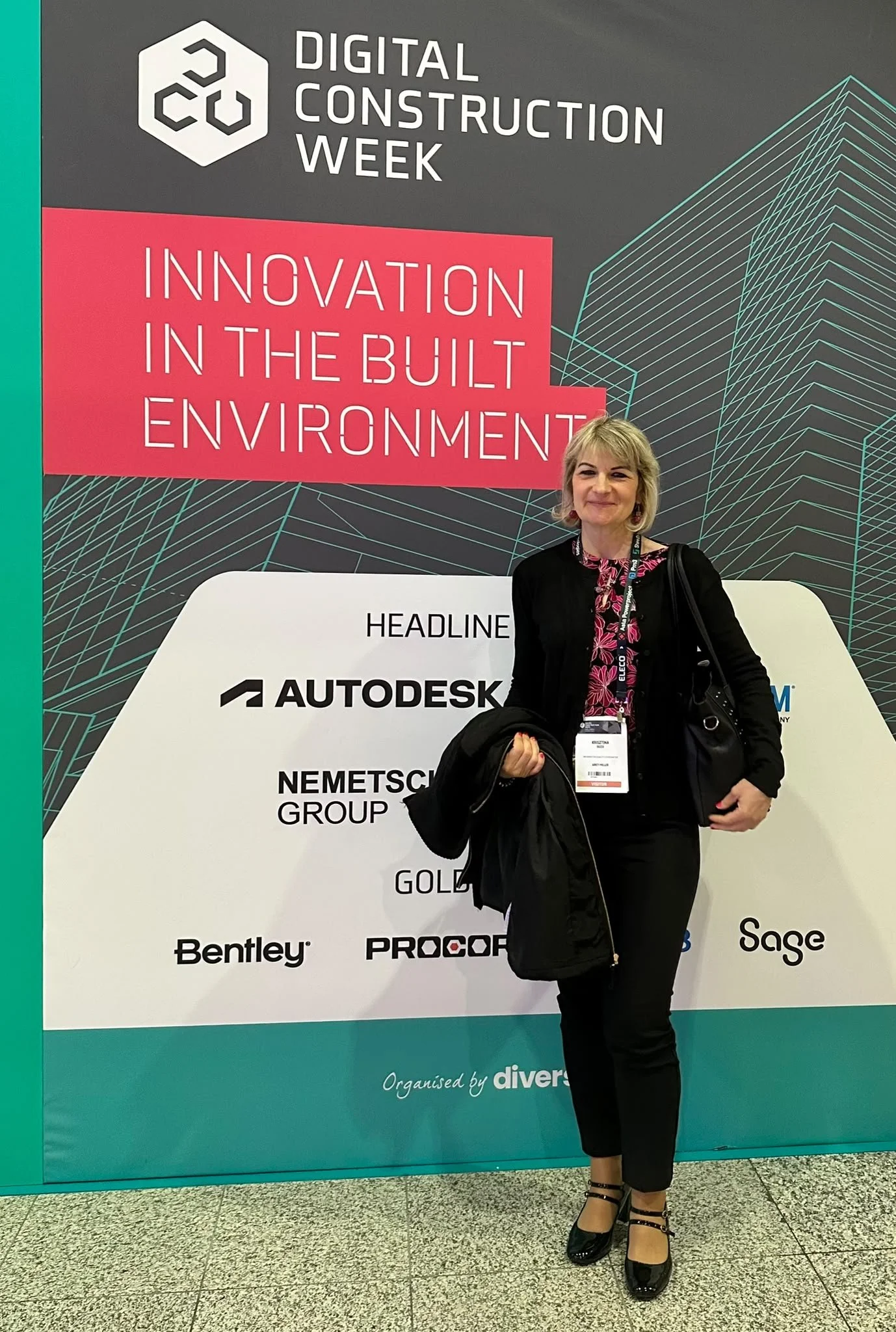
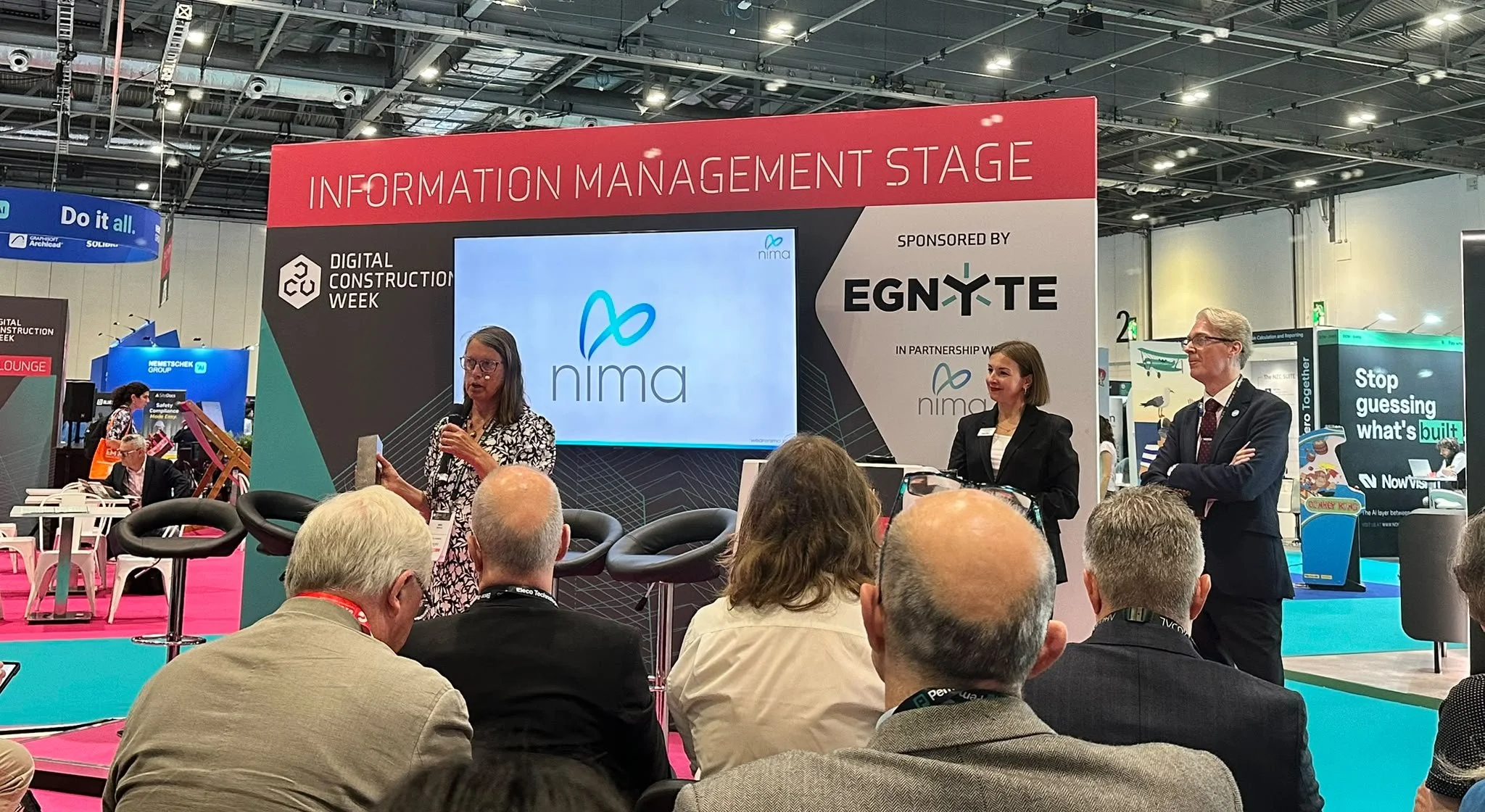
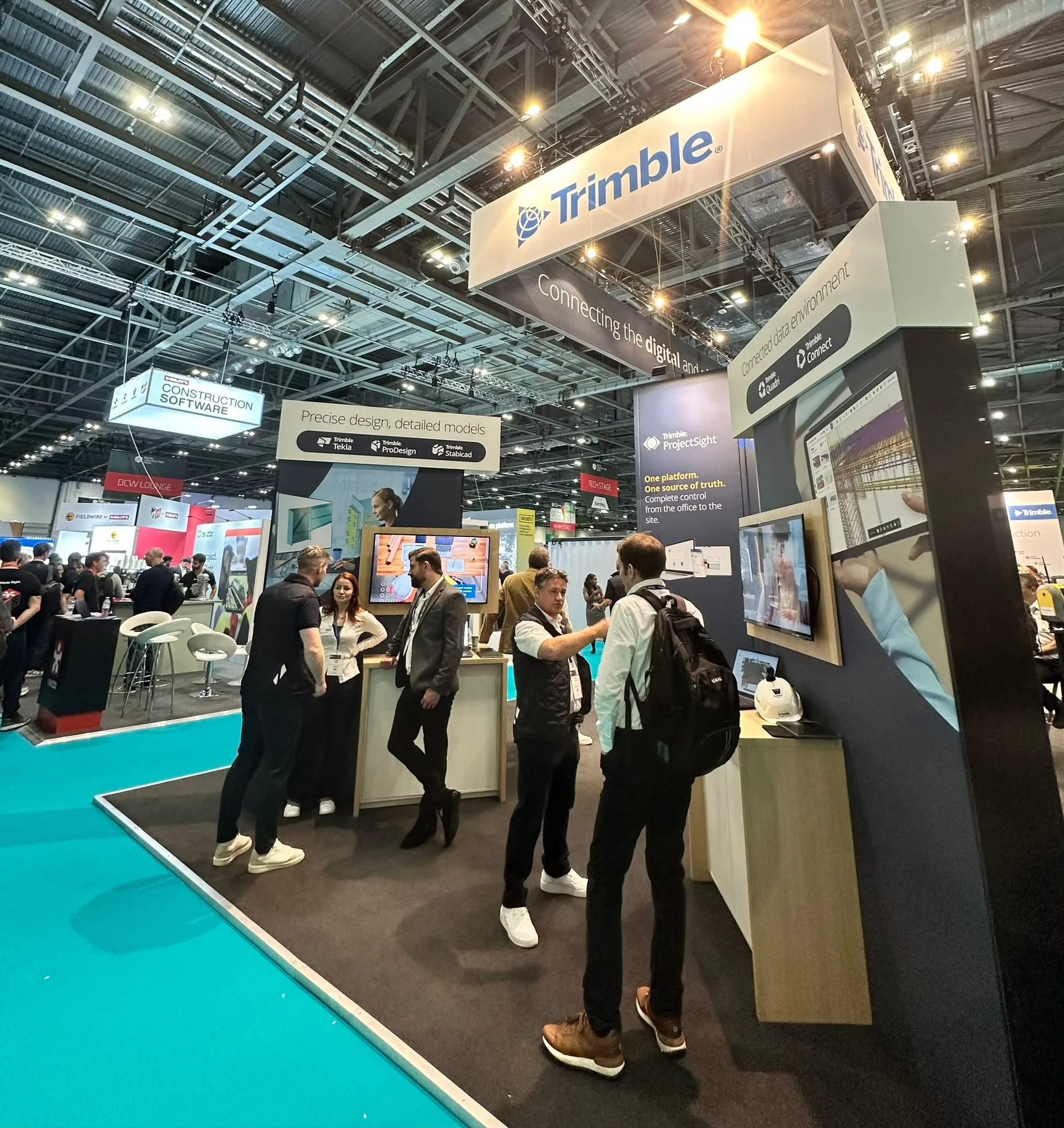
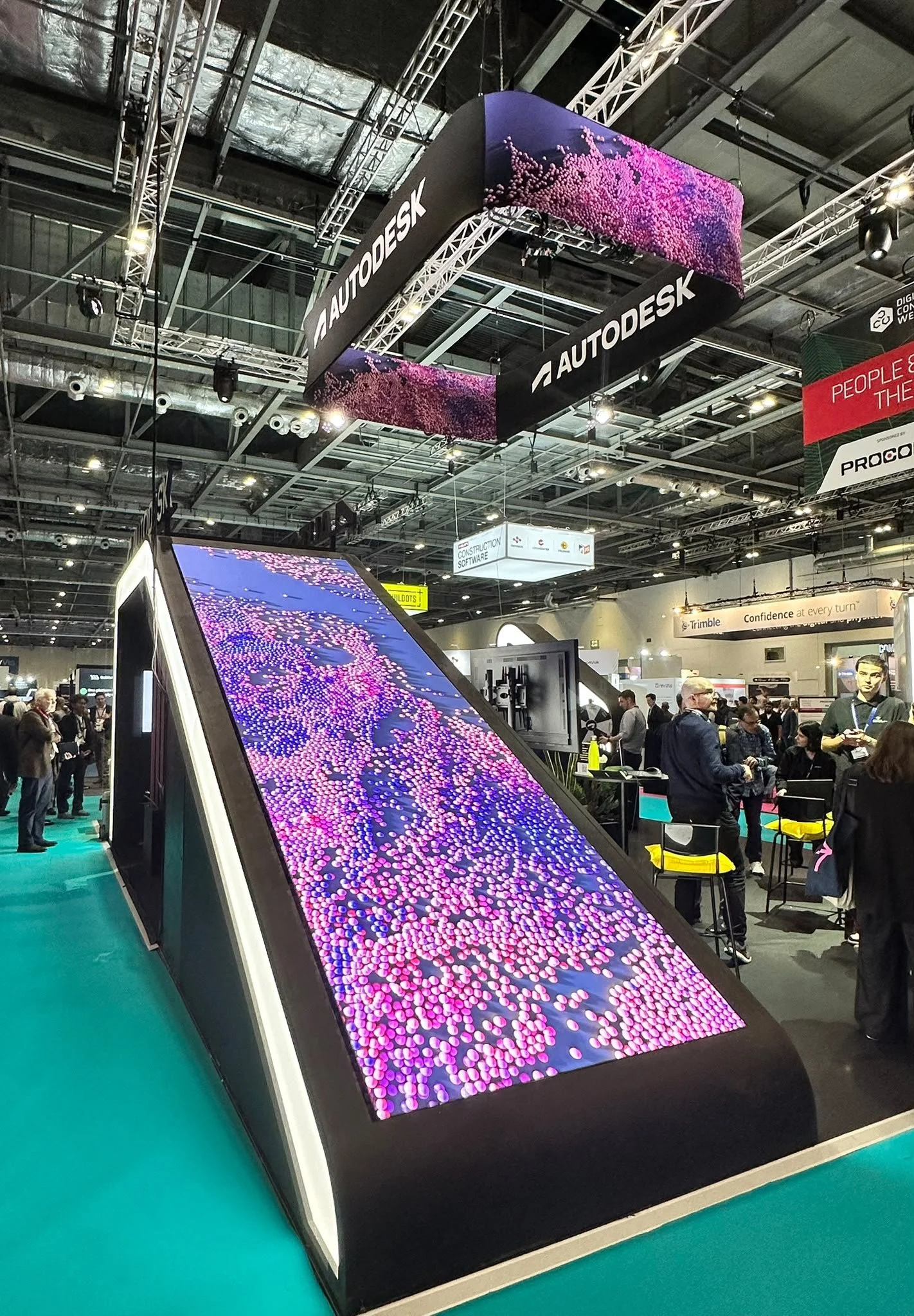
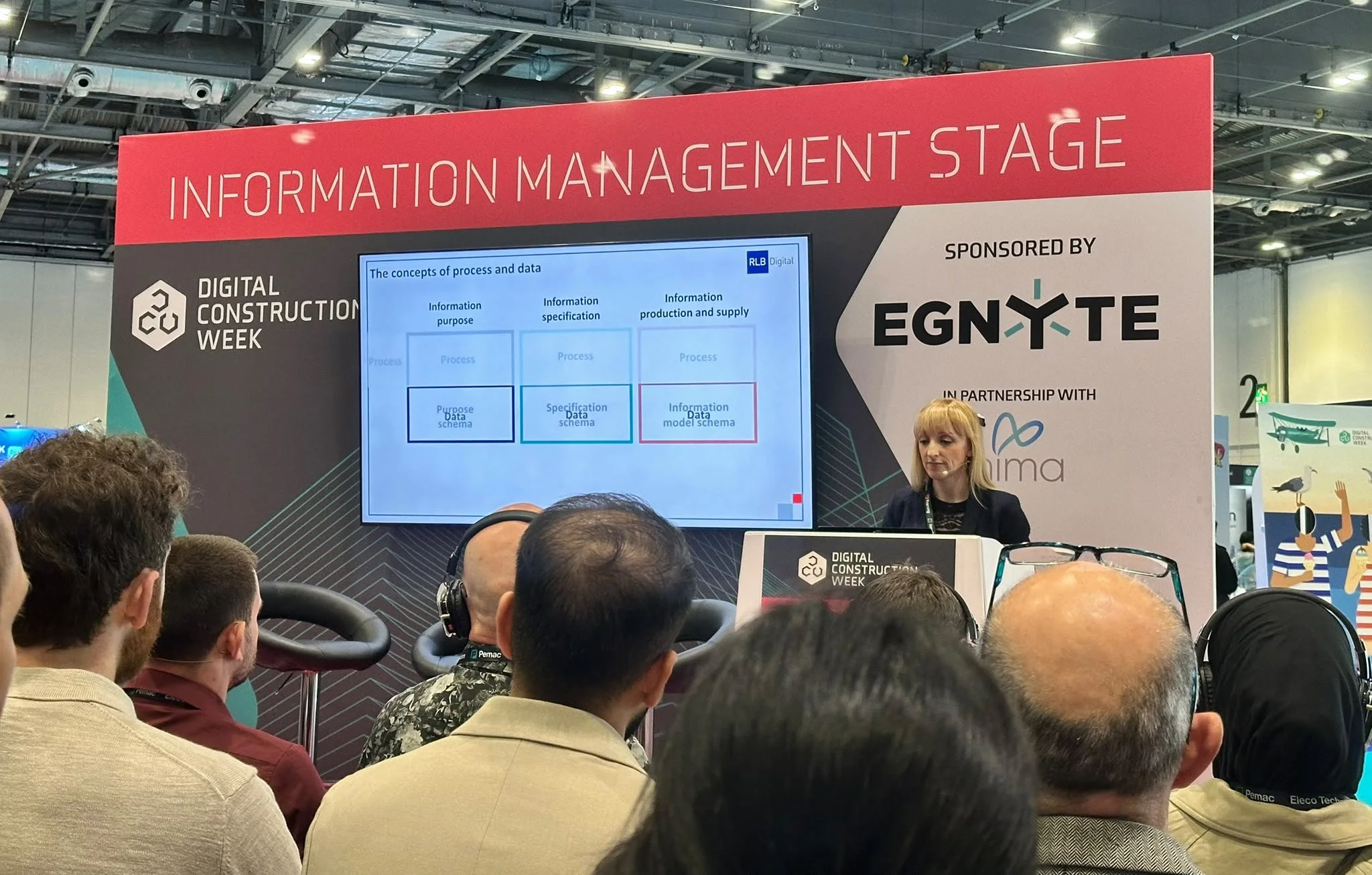
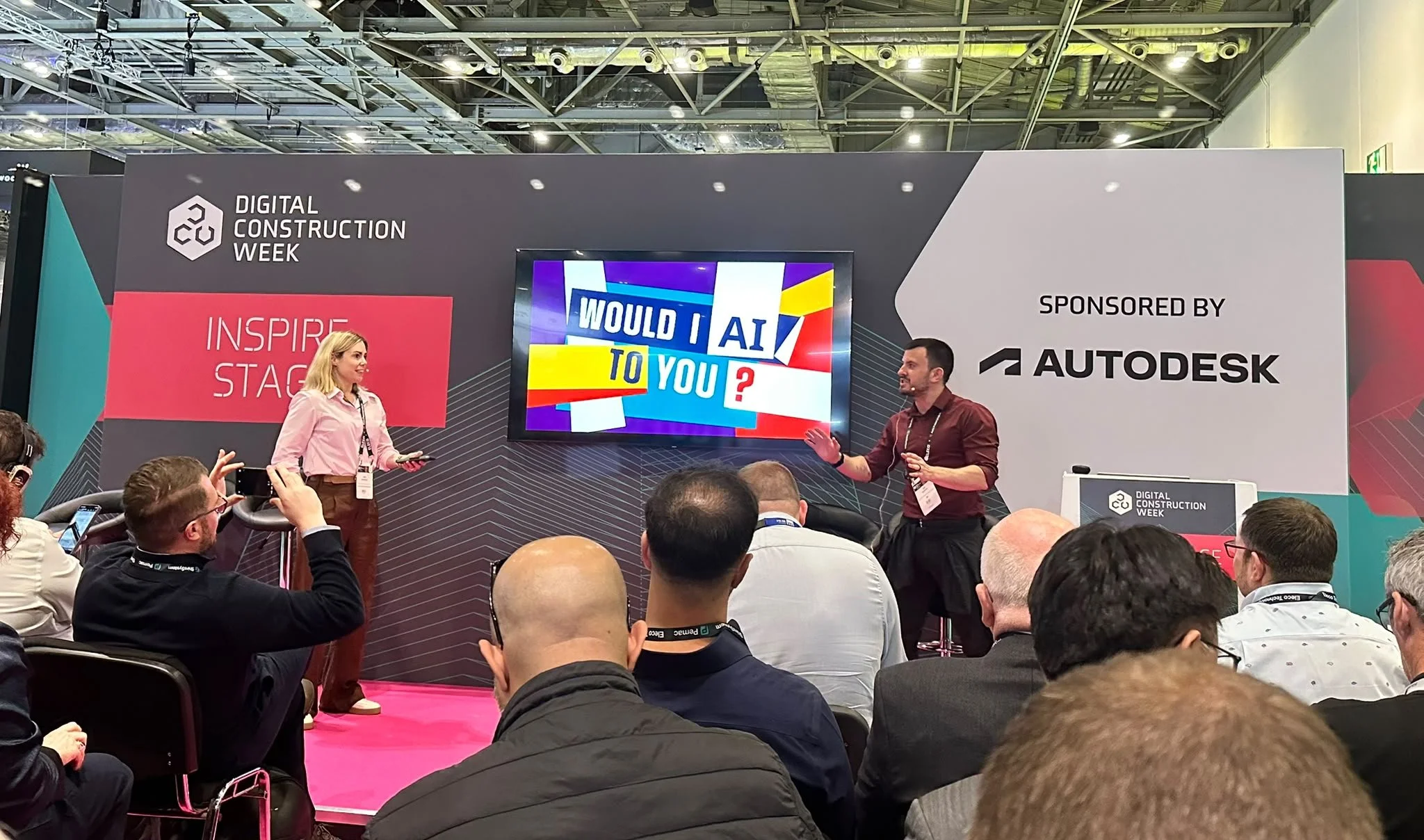
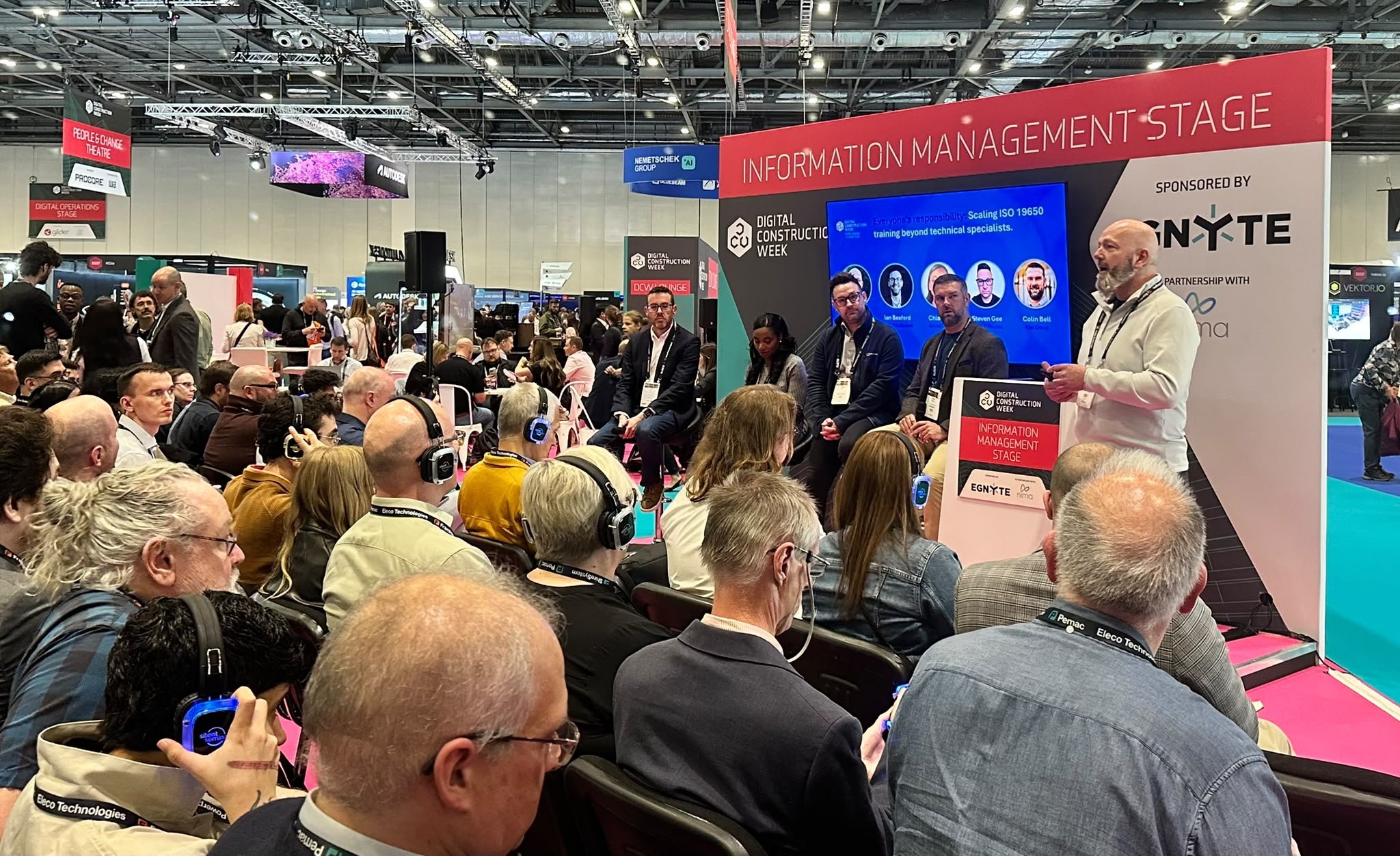
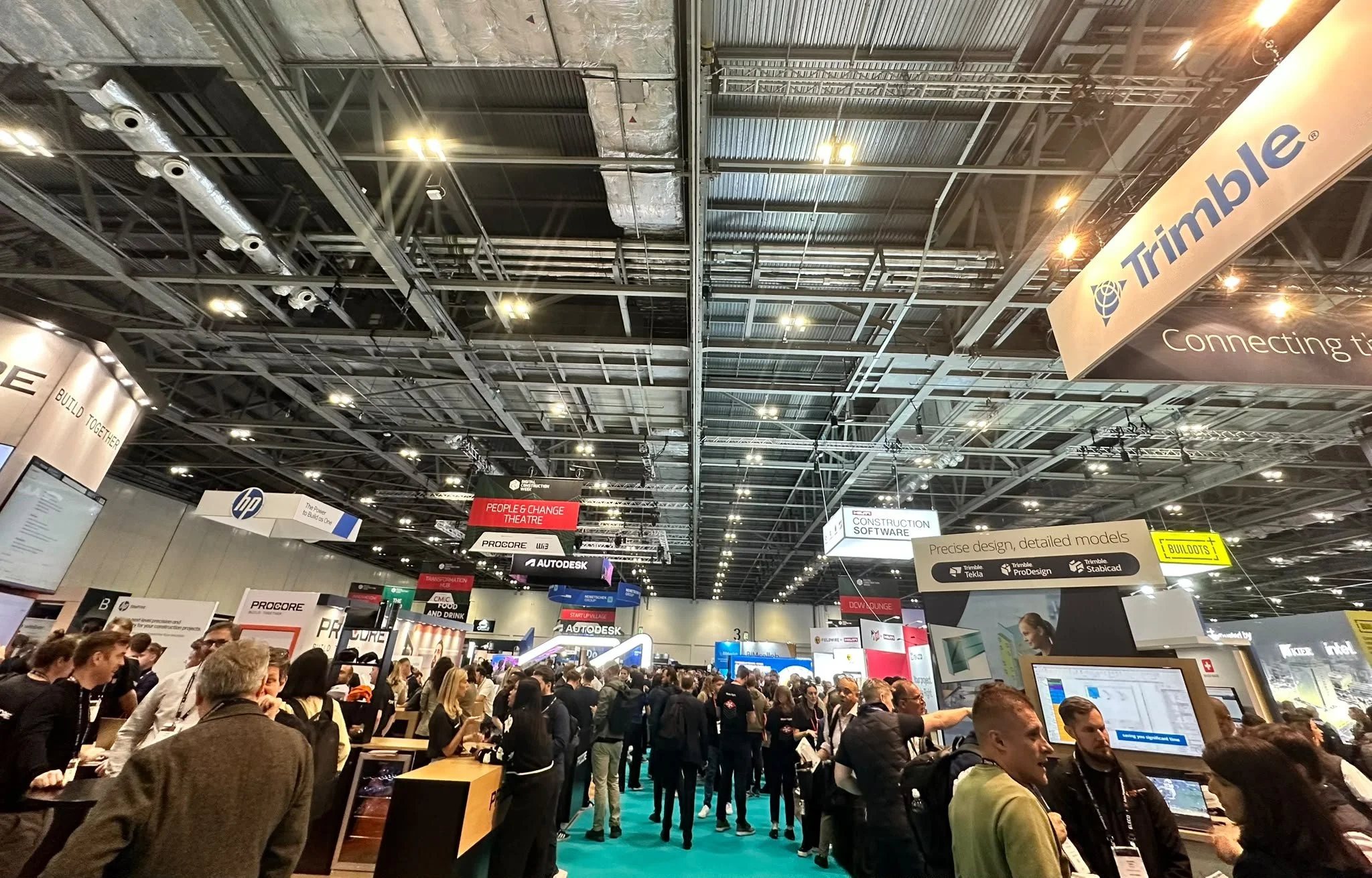
Digital Construction Week returned to ExCeL London on 3 June 2026, bringing together professionals from across the built environment to discuss digital transformation, Information Management, AI and the future of data-driven decision-making. After attending a range of sessions across the Information Management Stage, Digital Operations Stage and Transformation Hub, one theme stood out above all others:
“Information Management is rapidly evolving from a specialist discipline into a strategic business function”.
The Golden Thread: From Compliance to Strategic Information Management
At Airey Miller, we are seeing this shift play out in real time across our projects—particularly in response to the Building Safety Act and the increasing emphasis on the Golden Thread of Information. While the industry widely recognises the term, many clients are still unclear on what the Golden Thread actually is, how to define it, and how to ensure it delivers value. Too often, it is reduced to a collection of documents, rather than understood as a structured, governed and live information system that supports building safety throughout the lifecycle of an asset.
The day began with Anne Kemp's presentation on Nima and the Information Management Initiative (IMI). Her message focused on improving how organisations request, share and use information across the supply chain. By raising digital maturity and strengthening collaboration, the industry can move towards more consistent, data-driven outcomes. A key takeaway was that Information Management cannot be delivered in isolation—it depends on engagement across the entire project ecosystem.
This aligns directly with how we operate at Airey Miller. We integrate Information Management across our multidisciplinary teams, including Fire Engineering, Safety Case specialists, Building Regulations Principal Designers (BRPD), CDM Principal Designers and Clerk of Works. This ensures that information is not only created, but critically reviewed, assured and contextualised by those responsible for safety-critical decisions, embedding the Golden Thread within the project rather than retrospectively assembling it.
Building a Common Information Framework
This theme continued in the presentation introducing PAS 1958:2026 by Emma Hooper and Dan Rossiter. Rather than creating another standard, PAS 1958 acts as a guide to the existing Information Management landscape, helping organisations understand how multiple standards connect and complement one another. The vision presented was an industry united around information rather than fragmented by disconnected processes and siloed approaches.
At Airey Miller, this alignment is achieved through our application of ISO 19650 information management principles alongside our ISO 9001 certified Quality Management System (QMS). These frameworks allow us to move beyond document control towards a structured, data-led approach, where information requirements, responsibilities, approval processes and verification stages are clearly defined and consistently applied.
Artificial Intelligence Requires Trusted Information
Artificial Intelligence featured prominently throughout the day with discussions highlighting both opportunity and risk. A consistent message was that, before organisations can fully embrace autonomous systems, they must first establish reliable information foundations.
This reflects our own approach to AI at Airey Miller. We recognise the potential of AI to support analysis, coordination and insight generation, but this is underpinned by a clear RICS Compliant AI policy focused on governance, data integrity and responsible use. AI is only as effective as the information it relies on, and therefore its application must sit within controlled Information Management processes to ensure outputs remain accurate, auditable and compliant.
Through our use of Viewpoint for Projects as a Common Data Environment (CDE), we provide a controlled environment with defined workflows that ensure accountability. Each document progresses through a collaborative, auditable review process, ensuring that the right people receive the right information at the right time—and that what they receive is current, approved and not superseded.
A similar message emerged from the Transformation Hub, where Elizabeth Short and Gary Morrison presented a case study from Portsmouth Naval Base. Their experience demonstrated that successful AI adoption is only possible when supported by effective digital transformation, strong governance and structured Information Management processes.
People, Process and the Golden Thread
People and culture were recurring themes throughout the event. A panel discussion lead by Paul Shillcock featuring representatives from Laing O'Rourke, AtkinsRéalis, Kier Group and Mott MacDonald Concluded that Information Management is a shared responsibility. This becomes particularly critical when considering the delivery of the Golden Thread.
At Airey Miller, we embed this through clearly defined duty holder responsibilities and structured approval gateways, aligned with Gateway 2 and Gateway 3. Our Golden Thread Tracker and Handover Information Tracker, including alignment with Regulation 38 requirements, ensure that safety-critical information is identified early, tracked throughout the project lifecycle, and verified prior to handover.
Creating Reliable Building Information
In many existing buildings, however, this information simply does not exist or is incomplete. In response, we utilise digital surveying and laser scanning technologies to accurately capture the as-built condition of buildings. This enables the creation of reliable plans, elevations and asset data where no historic information is available.
This is critical for multiple stakeholders:
Fire Engineers require accurate plans and layouts to develop robust fire strategies
Safety Case preparation relies on verified building information to demonstrate risk management
Fire and Rescue Authorities need clear premises information for operational planning and emergency response
Contractors require up-to-date and accurate building data to safely plan and manage construction activities
From Documents to Data
Another insightful session came from Shervin Yousefzadeh, who highlighted the importance of trusted, structured product information as a growing issue not only for efficiency, but also for compliance and safety.
The afternoon sessions reinforced the importance of moving from a document-centric to a data-centric industry by connecting Information Management to unlock greater value throughout an asset's lifecycle. This is where the Golden Thread works.
The final session of the day challenged traditional approaches to asset information delivery. Rather than relying on static Operations and Maintenance manuals, towards live, digital and continuously maintained information models.
Conclusion
The strongest message from Digital Construction Week 2026 was that the industry's future will be built on trusted information. While AI, Digital Twins and emerging technologies generated significant interest, speakers repeatedly emphasised that success depends on strong data foundations, clear governance, common standards and skilled people.
At Airey Miller, we see the Golden Thread as the practical realisation of these principles. By combining robust Information Management processes, multidisciplinary expertise, responsible AI application, and advanced digital data capture, we help clients not only meet regulatory requirements but demonstrate compliance to the Building Safety Regulator.
Information Management is no longer simply about BIM compliance or document control. It is increasingly recognised as a strategic capability that underpins digital transformation, asset performance, regulatory compliance and better business outcomes. The direction of travel is clear; the challenge now is ensuring the entire industry can move forward together.
